
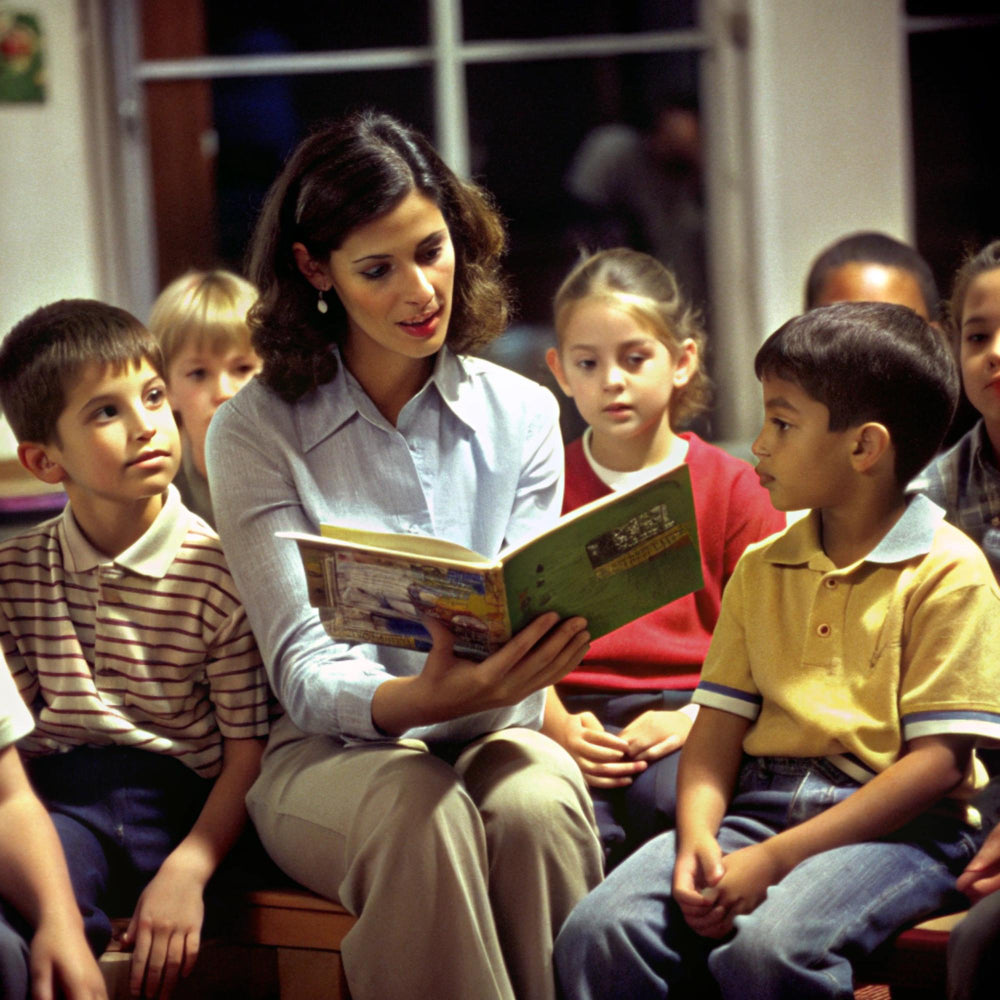

Learning to Read / Phonics: Easy and Engaging Methods
Learning to read can feel tricky for kids at first. Usinglearning to read / phonicsmakes it easier and way more fun. Kids connect letters to sounds, figure out words, and start reading confidently. Simple games, songs, and story activities keep their brains busy without making it feel like work. The more playful the lessons, the more kids actually enjoy learning to read.
-

What Makes Phonics So Cool?
Phonics is like a secret code. Letters represent sounds, and once kids crack it, words start making sense. For example, the letter “b” says “buh,” and “c” says “kuh.” When children put these together, they start reading small words on their own.
- Kids remember sounds faster when learning is playful.
- Songs, rhymes, and short stories help reinforce letters and sounds.
- Early practice prevents struggles later.
Introducing phonics reading for beginnersstep by step lets kids feel like reading superheroes. Small wins build confidence fast.
-

Fun Ways to Practice Reading
Learning sticks best when it’s fun. Try these ideas:
- Letter Hunts: Hide letters around the house. Kids find them and say the sound.
- Story Breaks: Pause in a book and ask kids to sound out words.
- Sound Games: Match letters to objects, like “a” for apple.
- Sing-Along: Rhymes and songs make sounds memorable.
Using learning to read / phonics in different activities shows kids that reading is everywhere, not just in books.


letters
sound
letters
“sun.”
Frequently Asked Questions
At what age should kids start phonics?
Children can begin simple phonics around ages 3 to 4. Introducing letters, sounds, and short words early helps build a strong reading foundation. Early exposure makes reading easier later and encourages curiosity, confidence, and a love for books.
How long should a phonics session last?
Short, focused sessions of 10 to 15 minutes work best for kids. Multiple sessions throughout the day help them practice without feeling tired or bored. Keeping it short and fun ensures they stay engaged and remember the sounds better.
Can phonics reading for beginners be done at home?
Yes, phonics reading for beginners can easily be practiced at home. Simple games, flashcards, storybooks, and audio resources make it interactive. Parents can guide kids in playful ways, helping them connect sounds and letters while having fun together.
Is phonics better than sight reading?
Phonics doesn’t replace sight reading; it complements it. Phonics teaches decoding skills, showing how letters form sounds and words. Sight reading helps kids recognize words by memory. Using both together improves reading fluency, comprehension, and overall confidence in young readers.
How do I know if my child is progressing?
Progress shows when kids can recognize letters, produce sounds, and read short words confidently. Look for enjoyment during reading, curiosity about letters, and pride in small wins. Regular practice and positive feedback help reinforce skills and make learning exciting.